10 common solar myths New Zealanders still believe

Solar technology has moved forward. A lot of the advice hasn't. If you're weighing up whether solar makes sense for your place, you've probably run into at least a few of these. Here's what's actually true.
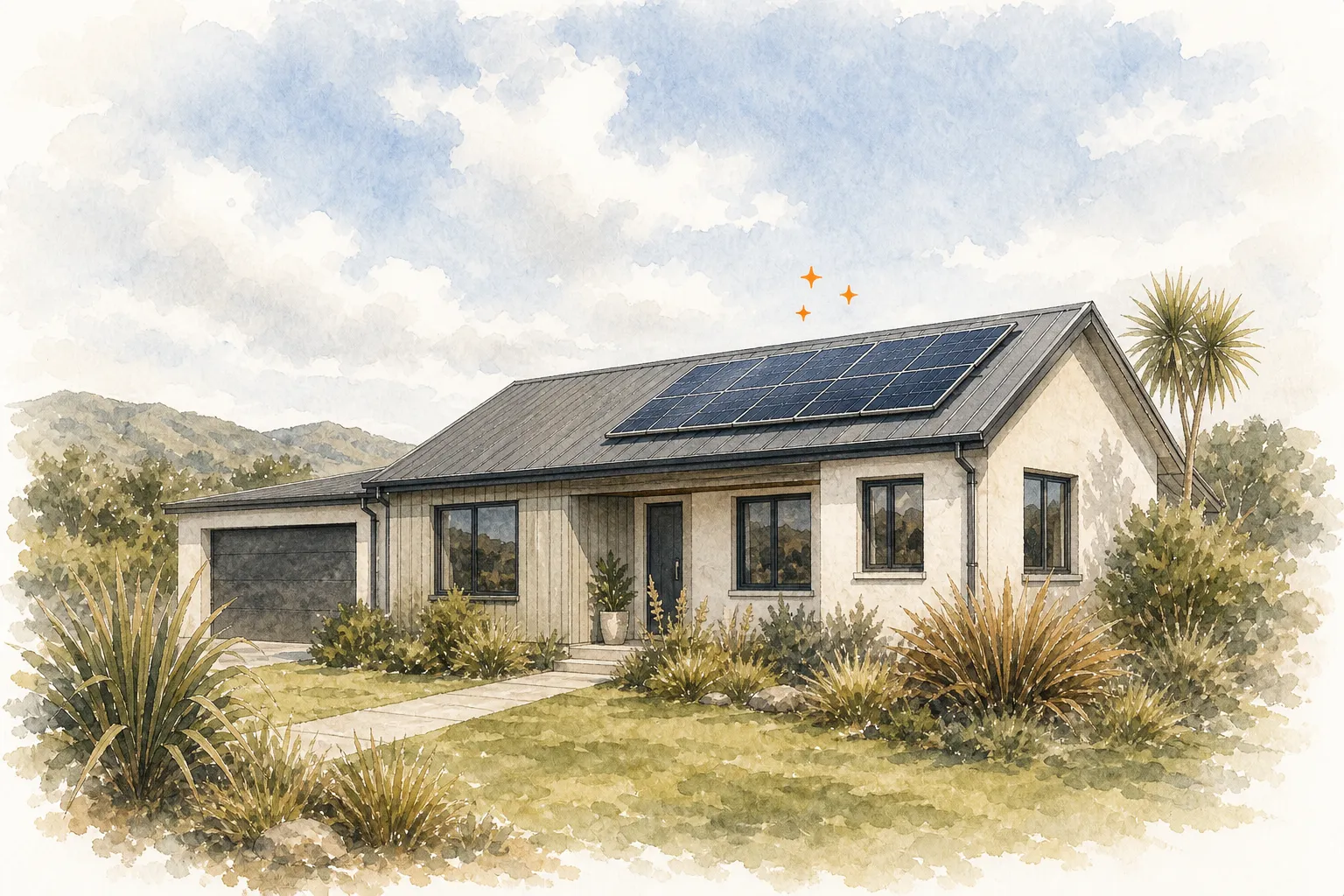
1. "New Zealand doesn't get enough sunshine"
False.
New Zealand gets 1,800 to 2,200 sunshine hours a year. That's comparable to, or better than, many countries with far higher solar uptake.
Germany is the obvious example: far more solar installed, considerably less sun to work with. Sunshine has never been the thing holding New Zealand back.
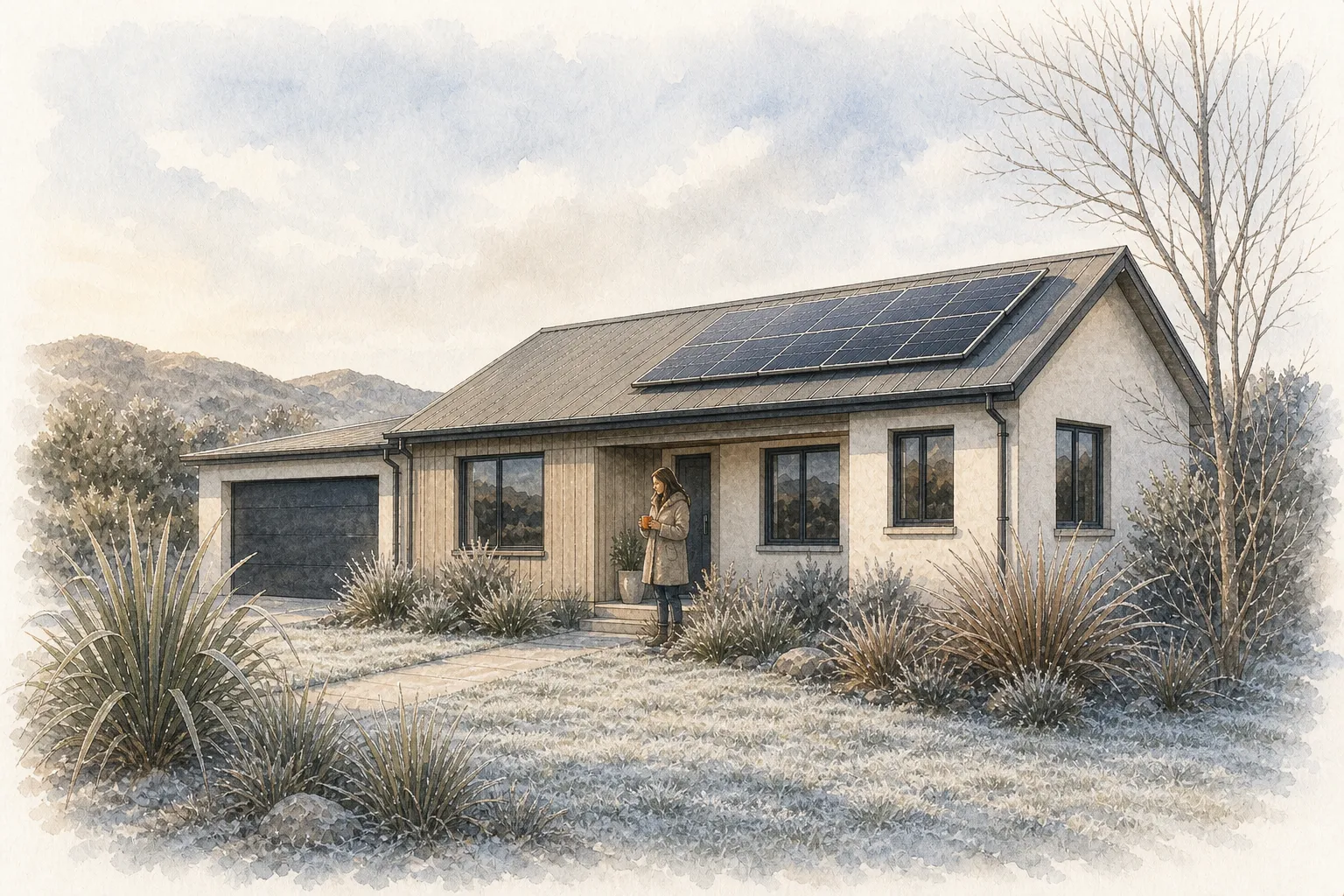
2. "Solar doesn't work in winter"
False.
Solar generates electricity every month of the year. Output is lower in winter, but panels still produce well, including on cloudy days.
There's a detail that surprises people: cooler temperatures actually improve panel efficiency. A crisp winter day is not the write-off it sounds like.
3. "Solar only works on north-facing roofs"
False.
North is best for total annual generation, no argument. But east and west roofs can still be excellent, particularly if your household uses most of its power in the morning or the late afternoon.
What matters is matching the design to when you actually use energy. A good installer works backwards from your usage, not from a rule of thumb.
4. "Solar panels need constant cleaning and maintenance"
Mostly false.
Rain does most of the cleaning for you. Occasional attention may be needed to clear debris or lichen, and your installer can recommend the right approach for your site.
It is not the ongoing chore it's often made out to be.
5. "Solar batteries don't make financial sense"
It depends — and that's an honest answer, not a dodge.
Batteries can reduce peak-time bills, increase how much of your own generation you use, provide backup power, and support EV charging.
Whether they stack up for you comes down to your home and how you use energy. Anyone who tells you batteries are always worth it, or never worth it, isn't looking at your situation.
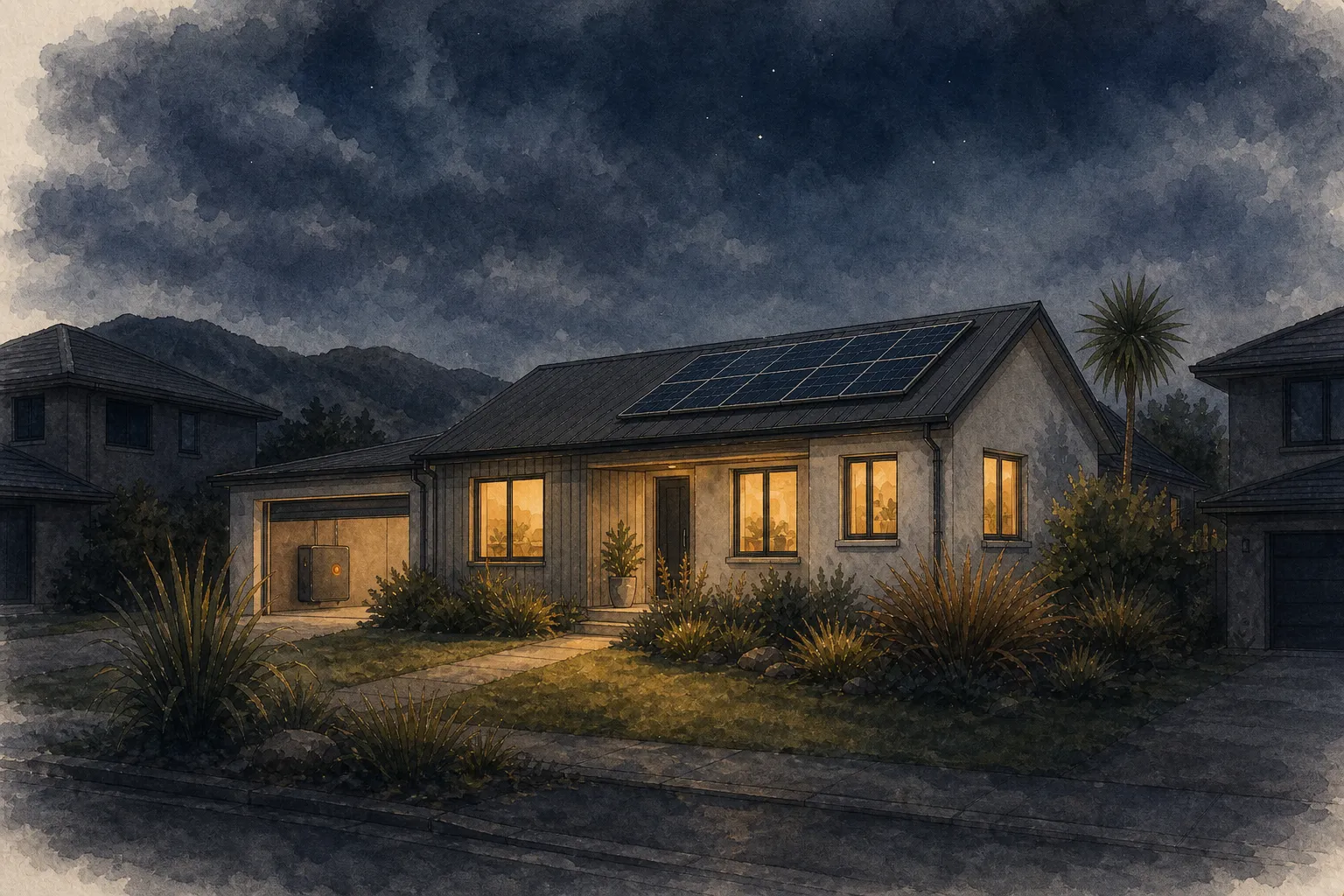
6. "You'll still lose power during a blackout"
Depends on your system.
Standard grid-connected systems switch off during an outage. That's a deliberate safety measure, protecting line workers repairing the network.
Many battery systems, however, can provide backup power to keep your home running through an outage. If that matters to you, say so early — it changes the design.
7. "Solar panels wear out after 10 years"
False.
Quality panels are built to last 25 to 30-plus years, and often keep performing beyond that.
Output reduces gradually over time. It doesn't fall off a cliff at some expiry date.
8. "The cheapest quote is the best deal"
False.
Price is one factor among several. Design quality, equipment quality, workmanship, warranties and after-sales support all shape what you actually get.
The cheapest quote is not always the lowest-cost option over the life of the system. Often it's the opposite.
9. "Solar is too complicated"
False.
A quality installer manages the whole process: design, approvals, installation, inspection, meter upgrade and commissioning.
For most homeowners it's considerably simpler than expected, because the complicated parts are someone else's job.
10. "All solar installers are the same"
Definitely false.
This is the myth that costs people the most.
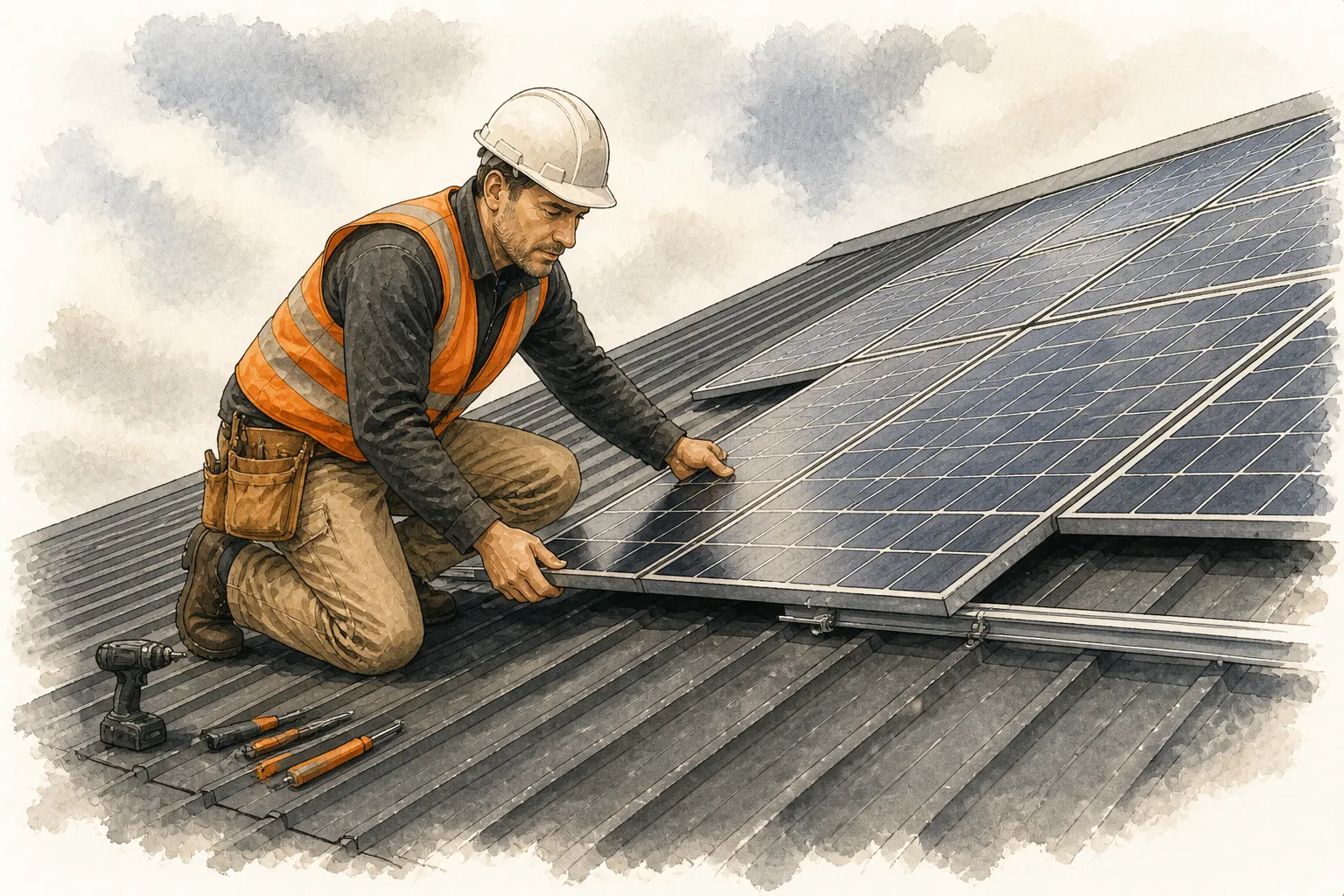
Installer quality makes an enormous difference to what you end up with, and to what happens when something needs attention in year seven. Choose an experienced, trusted installer building a system meant to perform for decades, with support to match.
Get the facts. Ask the right questions.
Outdated myths shouldn't decide a 25-year investment.
Look for the Solassure Certified mark. It means the installer is committed to high standards of workmanship, professionalism and customer care.
Better information. Better decisions. Better solar.